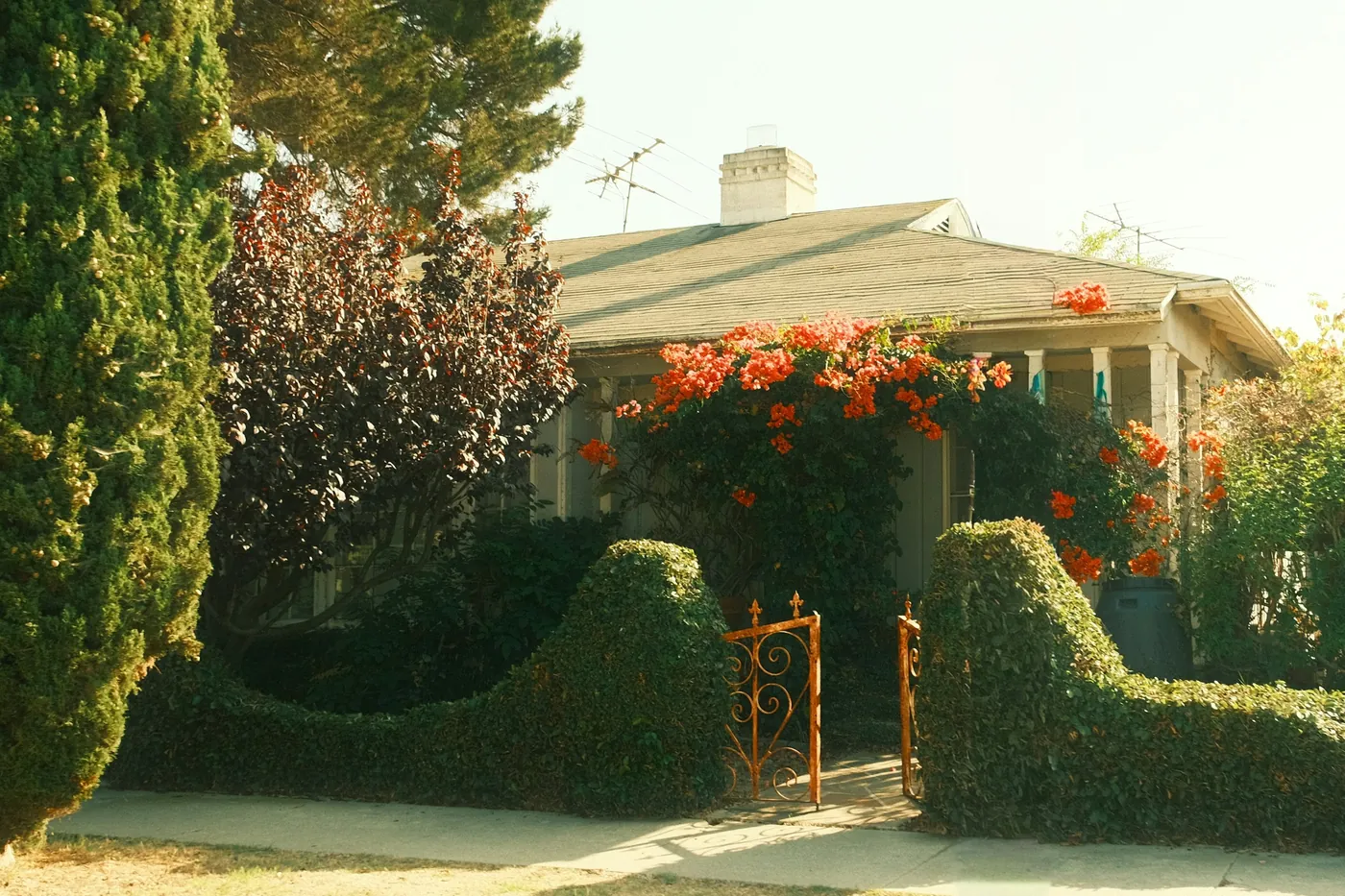
California is a community property state. Here is what that means for your home, savings and debts, and what the first months of a divorce look like.
General information, not legal advice.
Community property in plain words
California is a community property state (Family Code section 760). In general terms, that means what a couple builds up during the marriage is treated as belonging to both spouses, and a divorce divides it. Community property is generally divided equally (Family Code section 2550).
Property owned before the marriage, and gifts and inheritances received during it, are generally separate property (Family Code section 770). Earnings and things acquired after the date of separation are also generally separate (Family Code section 771). That is why dates matter.
Real life is rarely tidy. A home bought before the wedding and paid off during it, a retirement account built over many years or a family business can each raise their own questions. Those are the situations where it helps to talk through the details instead of guessing.
Your home, savings and debts
Each item is looked at one at a time. The home, bank accounts, retirement savings, a business and vehicles all count, and so do debts such as a mortgage, credit cards or loans. Useful questions for each one:
- When was it bought or opened, before or during the marriage?
- When did you separate?
- Whose name is on it, and how is it titled?
- What was paid toward it, and from which money?
Dividing property does not always mean selling it. Many couples agree on who keeps the home, who keeps which accounts and how any debts are shared.
Agreements can change the picture
Couples can make their own agreements about property, before the marriage or during it, and they can settle how to divide things when they divorce. If you have a prenuptial or postnuptial agreement, bring it to your first conversation. If a couple cannot agree, the court decides.
The six-month waiting period
A divorce case starts when one spouse files papers with the court and the other spouse is formally given a copy, which is called being served. The other spouse can also appear in the case by responding.
A divorce cannot be final until at least six months after the other spouse is served or appears (Family Code section 2339). Six months is a minimum, not a forecast of how long your own case will take. The time is useful, because it is when records get collected and arrangements get worked out.
Property is only part of it
If you have children, custody decisions follow the best interests of the child (Family Code section 3011). Those questions are separate from dividing property, but they often shape the same conversations, so it helps to think about them together.
What to gather early
- Recent tax returns and pay stubs.
- Statements for bank, retirement and investment accounts.
- Mortgage papers, deeds and a list of debts.
- Any prenuptial or postnuptial agreement.
Gathering these early lets you see the whole picture before any decisions are made. Do not worry if something is missing, because we can help you work out where to find it.
How lawgicLA can help
We explain how California family law works, lay out your options calmly and help you reach arrangements that hold. Your first consultation is free. Read more about our family law work.
Practice area: